


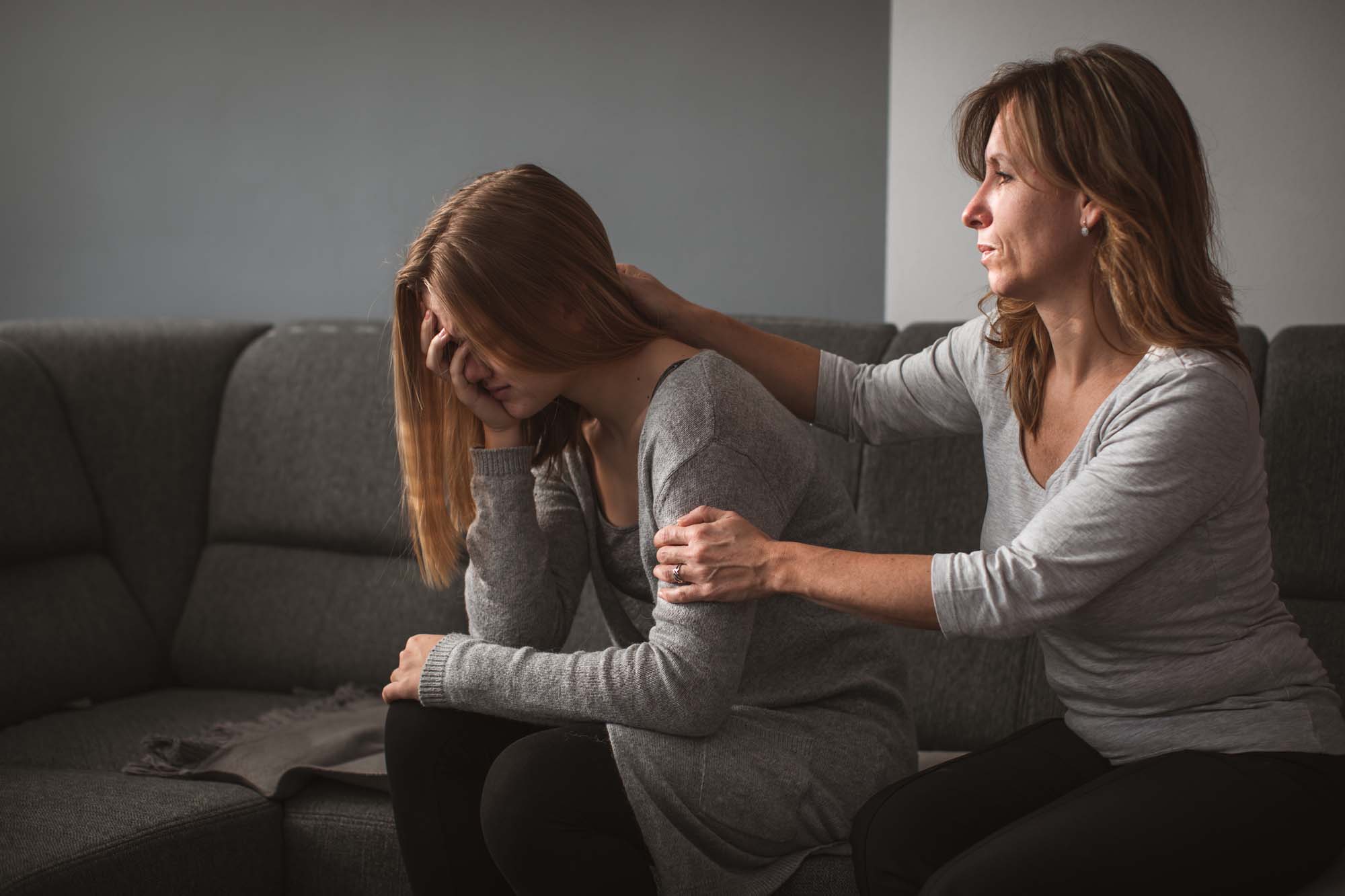
What a Panic Attack Can Look Like in Teenagers (And Why It’s So Scary)
When your teen has a panic attack, it can feel like the ground drops out from under you. One minute everything seems “fine,” and the next they’re terrified, gasping, shaking, or convinced something is seriously wrong. As a parent, it’s almost impossible not to think: Is this a medical emergency? Am I missing something?
Here’s the simplest way to understand a panic attack: it’s a false alarm in the body’s fight-or-flight system. Your teen’s brain is reacting as if there’s immediate danger, even when there isn’t. Their nervous system floods them with adrenaline and stress hormones, and the symptoms can be intense and very real.
Common physical symptoms can include:
- Racing heart or pounding heartbeat
- Shortness of breath or feeling like they can’t get air
- Shaking or trembling
- Sweating
- Nausea or stomach pain
- Chest tightness or chest pain
- Dizziness or lightheadedness
- Chills or feeling overheated
- Numbness or tingling (hands, face, arms)
And alongside the physical symptoms, the thoughts and emotions can be just as frightening:
- “I’m dying.”
- “I’m having a heart attack.”
- “I’m going crazy.”
- Fear of passing out or losing control
- Fear of embarrassment, especially if it happens at school or in public
- Feeling unreal, detached, or “not in my body”
Most panic attacks peak within minutes, but to a teen living through one, it can feel like forever. After it passes, many teens feel exhausted, drained, headachy, and sometimes irritable or embarrassed. That “crash” afterward is real too.
Something else that surprises a lot of parents: teens often try to hide panic attacks.
Not because they don’t need help, but because they’re afraid of:
- Being judged or labeled as “dramatic”
- Losing independence (like parents monitoring them closely or restricting activities)
- Becoming “a problem” in the family
- Being forced into a conversation they’re not ready to have
If your teen minimized it afterward or acted like it was nothing, that doesn’t mean it was nothing. It often means they were scared and didn’t know how to explain it.
However, it’s important to note that panic attacks can sometimes be linked with other serious issues such as teen suicidal thoughts, self-harm, or even social withdrawal. If your teenager exhibits signs of these behaviors alongside panic attacks, it’s crucial to seek professional help immediately. You might want to consider exploring options like troubled teen programs which are designed to help teenagers navigate through such challenging times.
Common Triggers for Teenage Panic Attacks
Sometimes there’s a clear trigger. Sometimes it feels like it came out of nowhere. Both are common, and both can be confusing.
Here are some of the most common triggers we see in teens:
School pressure
- Tests, grades, and deadlines
- Presentations or being called on in class
- Social stress, friendship drama, exclusion
- Bullying or fear of being judged
- Perfectionism and feeling like they can’t mess up
Body-based triggers
- Caffeine (coffee, pre-workout, energy drinks)
- Lack of sleep or irregular sleep schedules
- Dehydration
- Skipping meals or low blood sugar
- Illness, asthma symptoms, or feeling physically “off”
Stress stacking This is a big one. A panic attack can be the result of stress building up over time, even if the final “spark” seems small.
- Family conflict or tension at home
- Big transitions (moving, changing schools, breakups)
- Grief and loss
- Identity stress (belonging, sexuality, gender, cultural pressure)
- Trauma reminders (even subtle ones)
Digital and social triggers
- Social media comparison and body image pressure, which can exacerbate feelings of inadequacy
- Online conflict, group chats, cyberbullying
- Constant notifications and never feeling “off”
- Feeling like they have to keep up socially 24/7
And then there are internal triggers, which many people don’t realize are a thing. A teen might notice a totally normal body sensation, like:
- a faster heart rate after stairs
- dizziness from standing up too fast
- tightness in the chest from stress
- feeling warm, shaky, or “weird” after caffeine
If they interpret that sensation as dangerous (“Something’s wrong with me”), panic can spiral quickly. The fear of the sensation makes the sensation stronger, and suddenly they’re caught in a loop.
Signs It Might Be Panic Disorder
A single panic attack is terrifying, but it doesn’t always mean panic disorder. Panic disorder is more likely when panic attacks become recurring and start reshaping your teen’s choices.
Signs it may be moving into panic disorder include:
Recurrent, unexpected panic attacks Not just “I panicked before a test,” but panic attacks that feel sudden, unpredictable, and hard to link to one specific situation.
Persistent worry about having another Your teen may start thinking about panic constantly:
- “What if it happens again?”
- “What if it happens at school?”
- “What if I can’t escape?”
Avoidance behaviors (this is a huge red flag) To prevent another attack, teens may start avoiding places or situations, such as:
- skipping school or leaving early
- quitting sports or activities they used to enjoy
- avoiding crowds, assemblies, or the cafeteria
- refusing to ride in cars or on freeways
- avoiding stores, lines, elevators, or public bathrooms
- insisting someone stay with them at all times
These avoidance behaviors can also extend to excessive use of technology. If you notice that your teen is always on their phone, it could be a way to escape from the stressors that trigger their anxiety.
Pre-attack vigilance Some teens become highly focused on their body and start monitoring it constantly:
- checking pulse or breathing
- scanning for dizziness, nausea, or chest tightness
- reassurance-seeking (“Do I look okay?” “Am I breathing weird?”)
- fear of being alone “just in case”
Functional impact Even if panic attacks are brief, the ripple effect can be big:
- grades dropping
- sleep disruption
- irritability or emotional outbursts
- isolation and staying in their room more
- frequent nurse visits or early pickups from school
This kind of isolation can sometimes lead to self-harm behaviors, which is another serious concern.
When to seek an evaluation If panic attacks are repeating, avoidance is growing, or anxiety is shaping daily life, it’s time to get support. You don’t have to wait until things are “bad enough.” Early care can prevent panic from slowly shrinking your teen’s world.
Treatment That Helps: Evidence-Based Support for Teens With Panic Attacks
Panic is treatable. Truly. And your teen is not broken. Their nervous system has learned an unhelpful pattern, and with the right support, it can learn a new one.
Here are evidence-based options that help many teens:
CBT for panic (one of the most effective approaches)
Cognitive Behavioral Therapy (CBT) helps teens understand the panic cycle and change how they respond to it.
CBT for panic often includes:
- Cognitive restructuring: learning to challenge scary thoughts like “I’m going to die” and replace them with more accurate, steadying thoughts.
- Interoceptive exposure: this is a fancy term for practicing safe exposure to physical sensations (like a faster heartbeat) so the brain stops treating them like danger. The goal is: “I can handle this feeling, and it will pass.”
This approach can be life-changing for teens who feel trapped by their own body reactions.
DBT skills for distress tolerance and emotion regulation
Dialectical Behavior Therapy (DBT) skills can be especially helpful if your teen also struggles with intense emotions, shutdowns, impulsivity, or self-harm urges. You may want to read more about how to recognize signs of self-harm in teens.
DBT skills support:
- distress tolerance (getting through a surge without making it worse)
- emotion regulation (reducing vulnerability to spikes)
- mindfulness and grounding (coming back into the present)
Family involvement (more powerful than many parents realize)
Parents don’t cause panic attacks, but caregiver responses can either reduce the cycle or unintentionally feed it.
When panic shows up, it’s normal to want to rescue your teen from the feeling. But if the pattern becomes “panic = escape,” avoidance grows stronger.
Supportive family work can help you learn:
- how to validate without escalating fear
- how to respond calmly and consistently during an episode
- how to reduce reassurance loops that keep anxiety going
- how to support gradual, safe return to avoided places
You’re not expected to know this instinctively. These are skills, and families can learn them.
Moreover, it’s crucial to be aware of the signs of anxiety in teens as these could overlap with symptoms of panic attacks. In some cases, when these issues persist despite home interventions, seeking professional help such as residential treatment may be necessary. Understanding how long a teen might need in residential treatment can provide clarity during such challenging times.
Lifestyle foundations that support treatment
Lifestyle changes are not a substitute for therapy, but they can lower the baseline stress load and make panic less likely to ignite. Engaging in family therapy can also be beneficial in creating a supportive environment.
Helpful foundations include:
- a consistent sleep routine (even on weekends, when possible)
- regular meals and snacks to prevent blood sugar crashes
- hydration
- movement most days, even if it’s just a walk
- limiting caffeine and energy drinks (a common panic amplifier)
School coordination to prevent the avoidance spiral
If school has become a trigger or the place panic happened, it helps to coordinate support rather than letting your teen “disappear” from school life. This is especially important if they’re always on their phone, which could further isolate them.
Depending on your teen’s needs, support can include:
- a 504 plan or accommodations (breaks, quiet testing space, ability to step out briefly)
- collaboration with a school counselor
- gradual return plans after absences
- a plan for what to do if panic hits, without automatically leaving school every time
The goal is safety and confidence, not forcing them through it alone.
Medication overview (high-level)
Sometimes a psychiatrist may consider medication, especially when panic is severe, frequent, or paired with depression or other anxiety conditions. In such cases, it might be worth considering residential treatment as an option.
Medication decisions should always be individualized, carefully monitored, and discussed in detail with a qualified prescriber. For many teens, medication can be a helpful support alongside therapy, not a replacement for it.
How We Support Teens and Families at Build Bright Care Group (Granada Hills, CA)
If you’re reading this and thinking, “We can’t keep living like this,” we understand. Panic can take over a family’s routine quickly. Plans get canceled, school becomes a battleground, and you start walking on eggshells, trying not to trigger the next episode.
At Build Bright Care Group, we provide compassionate, comprehensive, evidence-based mental health treatment for adolescents ages 12–17 in California, including teens struggling with panic attacks and anxiety that’s starting to limit their life.
Here’s what that support can look like with us:
A structured, evidence-based approach that’s still very human
We build individualized treatment plans rooted in proven methods for anxiety in teens, while never losing sight of the fact that your teen is a person, not a diagnosis.
Residential care that feels like home
Our residential setting is designed to be safe, welcoming, and stabilizing. For many teens, having a calm environment with consistent support helps their nervous system finally exhale.
Family partnership, not parent blame
We stay in regular communication, involve families in the process, and share practical tools you can actually use at home. You shouldn’t have to figure this out by yourself at 2 a.m. after a scary night.
Real-life goals that matter to your teen
Our goals are not just “fewer symptoms.” We focus on helping teens:
- reduce the frequency and intensity of panic
- rebuild confidence in their body and mind
- return to school and social life
- strengthen coping skills they can use long-term
It’s important to recognize the warning signs of a struggling teen, especially when dealing with issues like anxiety. Understanding these signs can make a significant difference in how quickly your teen gets the help they need. If you’re unsure about what to look out for regarding anxiety in teens, we’re here to guide you through it.
Call Us When You’re Ready—We’re Here to Help
If your teen’s panic attacks are recurring, disrupting school or home life, or creating avoidance, it’s a good time to reach out. Panic is treatable, and early support can keep it from quietly shrinking your teen’s world.
Contact Build Bright Care Group in Granada Hills, CA to discuss adolescent mental health treatment options in the Los Angeles area. We can guide you through the next steps for an assessment or admissions conversation.
Whether your teen is struggling with self-harm, experiencing social withdrawal, or you need advice on parent self-care during teen treatment, we’re here to help. Our team is dedicated to helping your family navigate these challenging times and regain a sense of stability. If you’re wondering how long your teen might be in residential treatment, we can provide clarity on that as well.
FAQs (Frequently Asked Questions)
What are common physical symptoms of a panic attack in teenagers?
Common physical symptoms of a panic attack in teenagers include a racing or pounding heartbeat, shortness of breath or feeling like they can’t get air, shaking or trembling, sweating, nausea or stomach pain, chest tightness or chest pain, dizziness or lightheadedness, chills or feeling overheated, and numbness or tingling in the hands, face, or arms.
Why do teens often try to hide their panic attacks?
Teens often try to hide their panic attacks because they fear being judged or labeled as ‘dramatic,’ worry about losing independence through increased parental monitoring or restrictions, don’t want to become ‘a problem’ in the family, and may feel unprepared for conversations about their experiences. Minimizing the attack doesn’t mean it wasn’t serious; it often reflects fear and difficulty explaining what happened.
What are some common triggers that can cause panic attacks in teenagers?
Common triggers for teenage panic attacks include school pressure such as tests, grades, presentations, social stress and bullying; body-based triggers like caffeine intake, lack of sleep, dehydration, skipping meals, and illness; stress stacking from family conflict, big life transitions, grief, identity stress and trauma reminders; digital and social triggers including social media comparison, online conflicts and constant notifications; as well as internal triggers where normal body sensations are misinterpreted as dangerous.
How can parents differentiate between a single panic attack and panic disorder in their teen?
A single panic attack is frightening but doesn’t necessarily mean the teen has panic disorder. Panic disorder is more likely when panic attacks become recurring and start to reshape the teen’s choices and daily life. Signs include frequent attacks without clear triggers and avoidance behaviors that limit activities due to fear of another attack. Consulting a mental health professional is important for accurate diagnosis.
What emotional thoughts might a teenager experience during a panic attack?
During a panic attack, teenagers may experience intense and frightening thoughts such as “I’m dying,” “I’m having a heart attack,” “I’m going crazy,” fear of passing out or losing control, fear of embarrassment especially if it happens publicly or at school, and feelings of unreality or detachment from their body.
When should parents seek professional help for their teen experiencing panic attacks?
Parents should seek professional help immediately if their teenager exhibits signs of suicidal thoughts, self-harm behaviors, social withdrawal alongside panic attacks. Additionally, if panic attacks are frequent, severe, interfere with daily life or are linked with other serious issues like trauma or identity stress, exploring options such as troubled teen programs can provide specialized support to help teens navigate these challenges.